
Year-end brings a familiar challenge for property managers: pulling together the information owners and boards need to make next year’s capital decisions. Commercial roofs can complicate that process, especially when their condition, remaining service life, and future costs aren’t clearly documented.
At Maxwell, we take a more proactive approach with our MAXCare® customers. Through regular roof assessments, documented maintenance, and forward-looking budget planning, we help property managers understand what their roofs need and when they’ll need it. That makes year-end reporting less about scrambling for answers and more about presenting a plan everyone can understand.
What Every Year-End Roof Report Should Include
A useful roof report does more than list current problems. It gives ownership a clear picture of the roof’s condition today and the expenses they can expect in the years ahead.
Here are some of the key elements we encourage property managers to include in their year-end reports, equipping them with insights and details:
- Section-by-section inventory: Treat each part of your roof like its own individual asset. Instead of guessing how the entire building is holding up, document the exact membrane type, daily wear, and drainage flow section by section. This gives you a clear look at which areas are thriving and which need immediate attention.
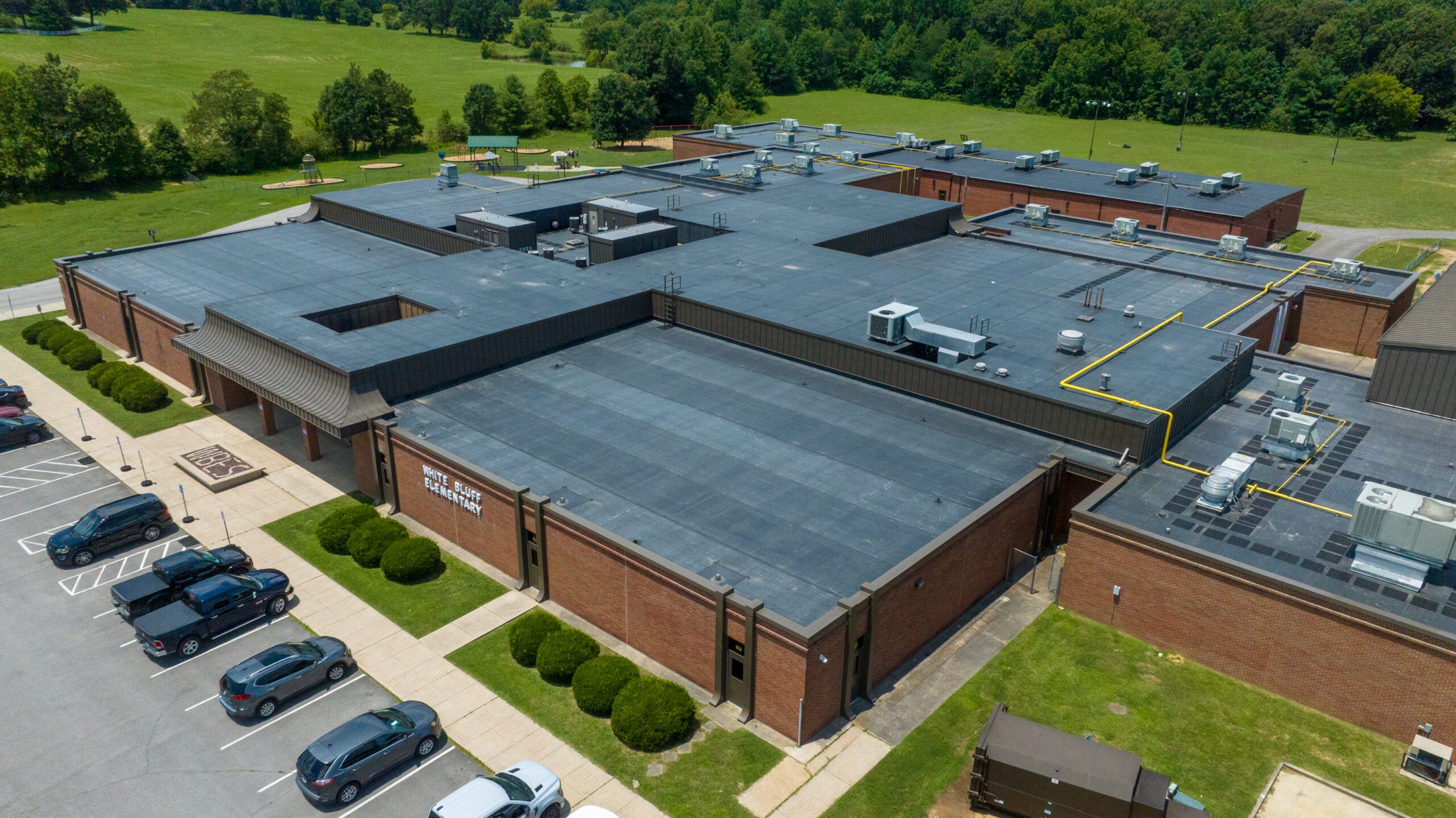
- Photographic evidence: Clear pictures help ownership grasp the issue right away without guesswork. Pairing high-resolution photos with plain-English notes will show the exact location and scope of every problem area.
- Remaining service life and replacement timeline: Estimate the realistic lifespan of each section so future capital costs never sneak up on your budget. If a specific area is entering its final five years, attach an estimated replacement number now. That gives your board plenty of runway to plan and phase the project comfortably. Check out our guide to understanding the lifespan of a commercial roof for early warning signs that a membrane is nearing its final cycle.
- Maintenance and repair history: A clean paper trail is your best defense when presenting numbers. Maintain an organized log of past service visits, completed patches, and routine upkeep. It proves you are protecting the manufacturer’s warranty while proving to owners that everyday maintenance dollars keep major capital replacements at bay.
Together, these details give decision-makers the context they need to evaluate costs and plan ahead.
Turning Your Report into Action: How Maxwell Builds Your Game Plan
A comprehensive roof report is only as valuable as the decisions it helps you make. Handing an ownership group a thick stack of technical jargon usually creates more questions than answers. That is where Maxwell steps in as a true asset partner.
Through our MAXCare® program, we do not simply email over a PDF and leave you to figure it out on your own. Our team sits down at the table with you to review every finding, walk through the numbers, and translate field data into a clear, prioritized capital plan:
- Sorting the Urgency: We help you categorize every recommended service into emergency versus remedial repairs. Emergency repairs tackle active leaks and immediate risks right away to protect your building. Remedial repairs target preventative wear, stopping minor issues before they turn into costly headaches next year. This distinction shows your board exactly which line items demand immediate funds and which ones can wait.
- Phasing Replacements Section by Section: An aging roof does not always require an all-or-nothing replacement. We break your facility into individual sections so you can replace the highest-priority areas first while keeping the rest watertight through routine care. This sectional budgeting spreads capital expenses smoothly across multiple years instead of draining your reserves all at once.
- Scoping Projects Early: For any section entering its final five-year window, we start scoping budgetary numbers immediately. Developing that preliminary scope early gives your ownership team plenty of runway to evaluate options, plan cash flow, and avoid last-minute emergency pricing. If you are mapping out next year’s numbers right now, read our full guide: Planning Your Commercial Roofing Budget? A Proactive Guide to Prepare for 2027.
When you walk into a budget meeting with a transparent plan, photo-backed priorities, and predictable costs, you turn a stressful presentation into a confident, productive conversation.
Make Roof Management Simple
Year-end roof reporting doesn’t have to mean chasing down maintenance records or defending unexpected expenses. With documented conditions, clear photos, and prioritized recommendations, you can give ownership the information they need to make confident decisions about their properties.
After 70 years in the industry, we know that long-term relationships matter in commercial roofing. That’s why MAXCare is intentionally designed to relieve stress for facility managers during high-pressure reporting cycles.
Whether you’re finalizing your 2027 capital budget or looking for a better way to manage your roofing portfolio, schedule a consultation with the Maxwell team to learn how MAXCare® can help. And if you’re looking for ongoing insights to help you stay on top of roof maintenance, sign up for our monthly newsletter!